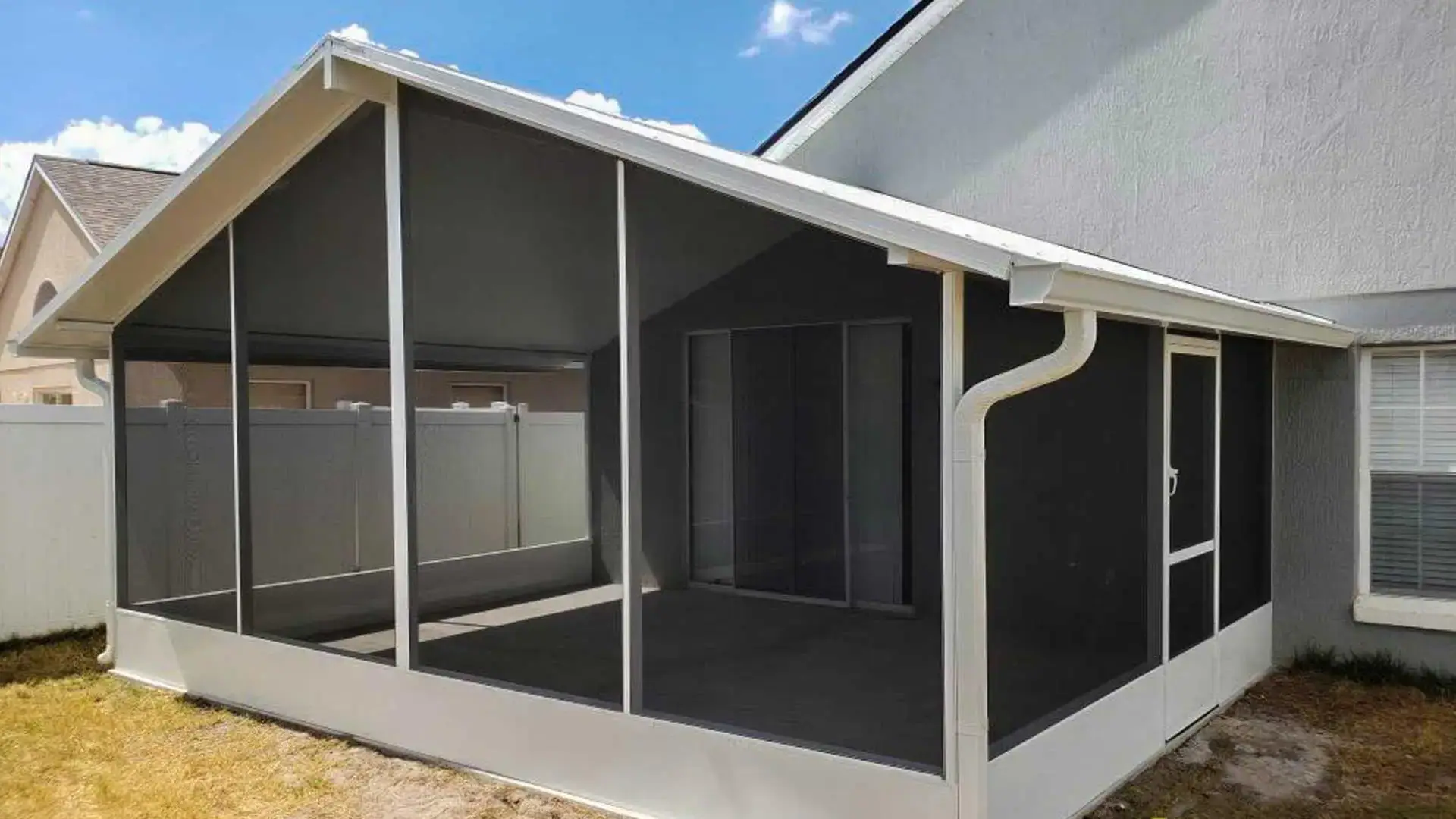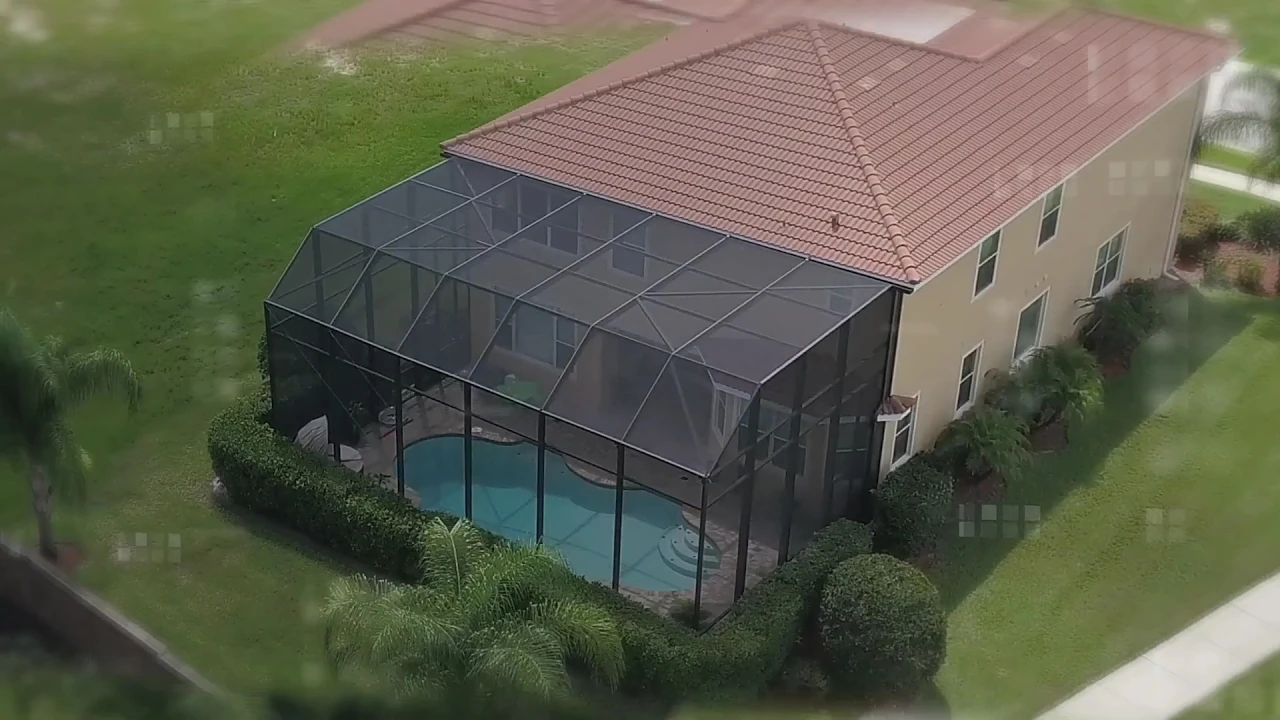
True Corp Presents True Aluminum: Screen Rooms, Pool Cages, and More. The original True Aluminum introduction: quality screen rooms, lanais, and sunrooms built by a licensed and insured team serving Lakeland, Plant City, Davenport, and nearby Central Florida areas.
Read the full video post: True Corp Presents True Aluminum: Screen Rooms, Pool Cages, and More
Sunroom Contractor in Lakeland, FL
Want to enjoy Florida's beautiful weather without the bugs, heat, or rain? Sunroom construction from True Aluminum creates a fully enclosed, climate-controlled space that extends your home's living area. Unlike a screened-in patio or a lanai, sunrooms have windows, doors, and full weather protection, which makes them real additions to the house. If you grew up here you probably call it a Florida room, and that is the same job. Serving Lakeland, Plant City, Wesley Chapel, and surrounding Central Florida communities, our licensed and insured team designs and builds custom aluminum sunrooms tailored to your needs. True Aluminum has been part of the True family since 2009.
Custom sunrooms extend your home's square footage by adding living space. Call (863) 804-6021 for information.
Why Choose Sunroom Construction?
- Expand Your Living Space: Sunrooms add valuable square footage to your home. Our customers use them as family rooms, home offices, dining rooms, and craft rooms.
- Year-Round Comfort: Fully enclosed with windows and doors, sunrooms protect you from Florida's heat, rain, cold, and wind. Enjoy the outdoors in comfort, no matter the weather.
- Bug-Free & Pest-Free: A screened-in patio keeps most bugs out. A sunroom is sealed, so no mosquitoes, gnats, or no-see-ums get in at all.
- Ready for the Other Trades: We frame the room and leave the chases and blocking where the fixtures go, so a licensed electrician or air conditioning contractor can finish it without cutting into new work. Plan the ceiling fan, the outlets, and the mini-split location with us up front and the finish work goes in clean.
- Increase Home Value: Sunrooms are true home additions that increase property value. They're functional, attractive, and highly desirable to buyers.
- Built to Florida Standards: Our aluminum sunroom construction is engineered for high winds and meets Florida building code. The glass still wants covering in a named storm, so ask us about hurricane shutters for the room while it is being designed.
Types of Sunroom Construction
- Fully Enclosed Sunrooms: Complete weather protection with windows, doors, and aluminum framing. Perfect for year-round use as a living room, office, or dining space.
- Glass Sunrooms: Floor-to-ceiling windows maximize natural light and outdoor views while keeping you protected from the elements.
- Sunrooms Built for Conditioned Air: Framed, insulated, and detailed so a licensed contractor can tie the room into your cooling system or set a mini-split.
- Attached Sunroom Additions: Connect directly to your home with interior and exterior doors. Where the room lands next to a pool cage, we tie the two rooflines together so they drain as one.
- Custom Designs: Every sunroom is custom-built to fit your home's architecture, your budget, and your lifestyle. Choose the shape, size, ceiling height, and features you want.
Sunroom or Florida Room? What Central Florida Homeowners Mean
Half the people who call us say sunroom and half say Florida room, and most of them mean the same thing: a glassed-in room off the back of the house that you can sit in when it rains.
There is a difference in how the words get used, though, and it matters when you are pricing a job. A Florida room is the older local term for a room added onto the back of a house with a lot of glass, often built on an existing slab and often not tied into the home air conditioning. A sunroom is the broader term the industry uses, and it covers everything from that same three-season room up to a fully insulated, conditioned addition. A lanai is not either one: it is roofed and screened, not glazed. A screen room is the same idea without the attachment to the house roofline. And every so often the room somebody describes turns out to be an aluminum pergola, posts and slats with no walls at all.
We build all of it. If you tell us Florida room, we will ask two questions to sort out which room you actually want: do you want to sit in it in August, and does it need to hold conditioned air. The answers put you in the next section.
Three-Season vs Four-Season Sunrooms
A three-season room is glazed and weathertight but not insulated to living-space standards and not tied into the home cooling system. It is comfortable most of the Central Florida year and hot in the middle of a July afternoon unless you move air through it and shade the west side, which is usually an awning or planting rather than anything structural. It is the cheaper room by a wide margin.
A four-season room is built as living space: insulated walls and roof, insulated glass, and a cooling source, whether that is a tie-in to the house system or its own mini-split. That is the room you use every day of the year, and it is roughly double the three-season room per square foot because of the insulation, the glass, and the slab and footing requirements that come with a conditioned addition.
If the honest answer is that you want the room mainly for mornings, evenings, and the cooler months, a three-season room with good glass and a ceiling fan does the job. If you are counting the space as a bedroom, office, or den, build it as four-season the first time. Converting later means opening the walls back up.
What a Sunroom Costs in Central Florida
There is no Florida-specific published pricing for sunrooms that we would put our name to, so the figures below are national market data. Treat them as a planning range, not a Central Florida quote.
National cost guides put a three-season sunroom or Florida room at $80 to $230 per square foot, or roughly $8,000 to $50,000 total. A four-season room runs $200 to $400 per square foot, or $20,000 to $80,000. Angi reports a higher floor for full additions: an average of about $47,000 with most projects between $22,000 and $75,000 at $150 to $300 per square foot. The two disagree because the lower guides include prefab kits and simple conversions while Angi is describing site-built additions. Both are honest, they are counting different jobs.
These are general market ranges from public cost data, not True Aluminum prices and not a quote. Sunrooms vary more than any other job we do. Call (863) 804-6021 and we will come look at the slab.
What moves the number: three-season versus four-season is the single biggest jump, then whether you are building on an existing slab or pouring new, vinyl window versus insulated glass, roof type and span, and whether the room gets its own cooling unit. Permits on a sunroom run $250 to $1,500 nationally, which is real money and worth asking about before you sign anything. Financing is available if the room you want is bigger than the budget in front of you.
Converting an Existing Lanai, Screen Room, or Patio Into a Sunroom
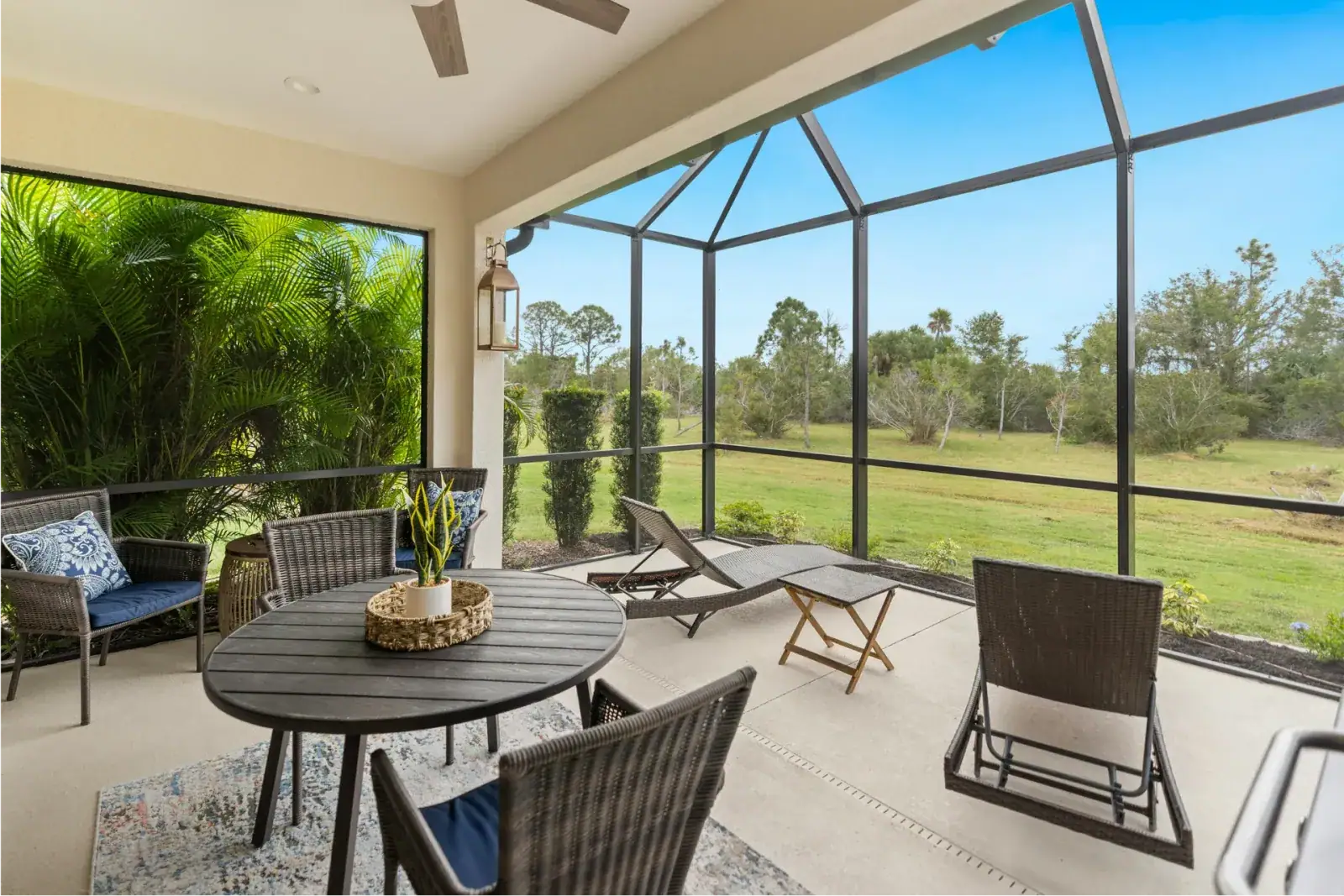
If you already have a covered, screened space out back, converting it is usually cheaper than building new, because the slab, the footings, and the roof are already there and paid for. National guides put converting a deck or patio into a three-season enclosure at $8,000 to $30,000.
Usually is doing work in that sentence. Before we quote a conversion we check three things. Is the slab thick and sound enough to hold anchors and take the added wall load. Are the existing footings sized for a glazed wall, which weighs considerably more than screen. Will the existing roof carry the load and can it be flashed and sealed properly where it meets the house. If any of those come back short, the fix goes in the price, and there is a point where tearing out and starting over is the cheaper path. We will tell you which one you are looking at before you spend anything.
Conversions are also a good moment to handle the ground around the room. A paver patio outside the new door, or an aluminum pergola over the leftover open section, is far easier to do while the crew is already on site.
Do Sunrooms Add Value to a Florida Home?
The determining question is narrower than most people expect: does the room count as heated and cooled living space on the appraisal. A permitted four-season room with a cooling source generally can be counted in the home square footage. A three-season room generally cannot, no matter how nice it is, so it shows up as an amenity rather than as added square feet.
The other half is the permit. An unpermitted addition is a problem at closing, when the buyer agent pulls county records and finds a room that does not exist on the property card. We pull permits on every sunroom we build, and you keep that paperwork.
We are not going to quote you a return percentage. Central Florida resale depends on the neighborhood, the comps, and the buyer, and any number we gave you would be invented.
Our Sunroom Construction Process
- Free Consultation & Design: We visit your property to discuss your vision, measure the space, and understand your budget and needs.
- Custom Design & Permitting: Our team draws the room to fit your house, pulls the permits, and keeps them coordinated with any carport or enclosure work going in on the same visit.
- Professional Construction: Our experienced crew builds your sunroom using high-quality aluminum framing and materials. We work efficiently and keep you informed throughout the project.
- Final Walkthrough & Inspection: We conduct a thorough inspection and walkthrough to ensure everything meets our quality standards and your expectations.
- Warranty & Support: All sunroom construction is backed by our warranty. We're here for any questions or future service needs.
Materials & Florida Code Compliance
- Aluminum Framing: Lightweight, rust-resistant, and incredibly durable. Aluminum withstands Florida's humidity, salt air, and extreme weather without corroding.
- High-Quality Windows & Doors: Energy-efficient windows and secure doors provide weather protection, insulation, and security.
- Hurricane-Rated Construction: Our sunroom construction meets Florida's wind load requirements. If the room faces open water or a wide-open lot, ask about storm shutters for the glass before the season starts.
- Coordinated with the Other Trades: True Aluminum builds the structure. Electrical and cooling work is done by the licensed contractors who hold those licenses, and we sequence our schedule around theirs so nothing gets opened back up.
- Licensed & Insured: True Aluminum is a licensed contractor (License #SCC131151391) and fully insured for your protection.
Maintenance Tips for Your Sunroom
Call (863) 804-6021 for sunroom repairs or maintenance services.
If your room has screened sections alongside the glass, those panels are on their own replacement clock and our rescreening crew handles them. Our True Home Membership rolls the seasonal inspection and the small fixes into one plan so nothing sits until it becomes a repair.
- Clean windows regularly with glass cleaner for clear views
- Inspect door seals and weatherstripping annually
- Check for leaks after heavy storms
- Keep gutters and drainage clear around the sunroom
- Have your cooling contractor service the unit if the room is climate-controlled
Service Areas in Central Florida
True Aluminum provides expert sunroom construction throughout Central Florida, including:
Call (863) 804-6021 to confirm service in your area.
- Lakeland
- Plant City
- Wesley Chapel
- Brandon
- Valrico
- Davenport
- Winter Haven
- Bartow
- Auburndale
- Mulberry
- New Tampa
- Zephyrhills
Related Services
Most sunroom jobs touch something else on the property. Homeowners who want the pool covered too add pool cages, and a sunroom roof always needs somewhere to send its water, which is where seamless gutters come in.
- Screen Rooms & Lanais: Screened outdoor living spaces with aluminum roofs
- Pool Cages: Protect your pool with custom aluminum enclosures
- Carports: Aluminum carports for vehicle protection
- Gutter Installation: Seamless aluminum gutters in multiple colors
Get Started Today
Call (863) 804-6021 for a free consultation or schedule online. Ask about financing while we are out measuring.
True Aluminum | 4000 N Frontage Rd, Plant City, FL 33565 | License #SCC131151391 | 5.0 stars | 200+ Google reviews