A sunroom is a great addition to any Florida home. These rooms are incredibly versatile, as they can serve as a workout area, a playroom for your children, or an entertainment area for hosting guests. They add space and functionality to your home and increase its overall value.
Sunrooms do a great job of regulating sun exposure and temperature. With one, you can enjoy natural light and outdoor views without suffering through Florida’s intense heat. Oftentimes, sunrooms are more desirable over lanais and screen rooms because of their more intricate construction.
Here at True Aluminum, we install sunrooms for properties in Wesley Chapel, Plant City, Lakeland, and the surrounding areas.
When deciding on the right sunroom for your home, you should be aware of the different types. There isn’t a one-size-fits-all sunroom. Here, we’ll explore the five categories of sunrooms you should keep in mind when planning this addition to your home.
1. Category I sunrooms are screen rooms.
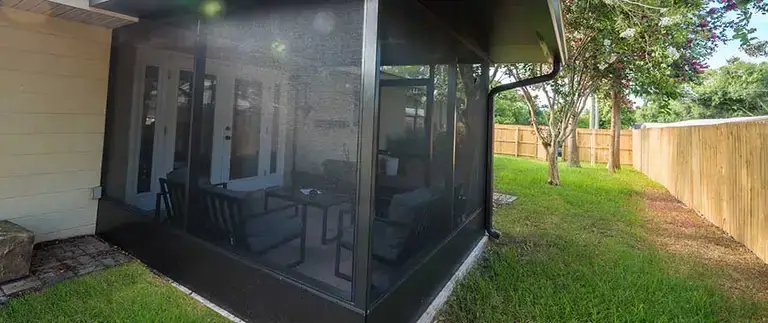
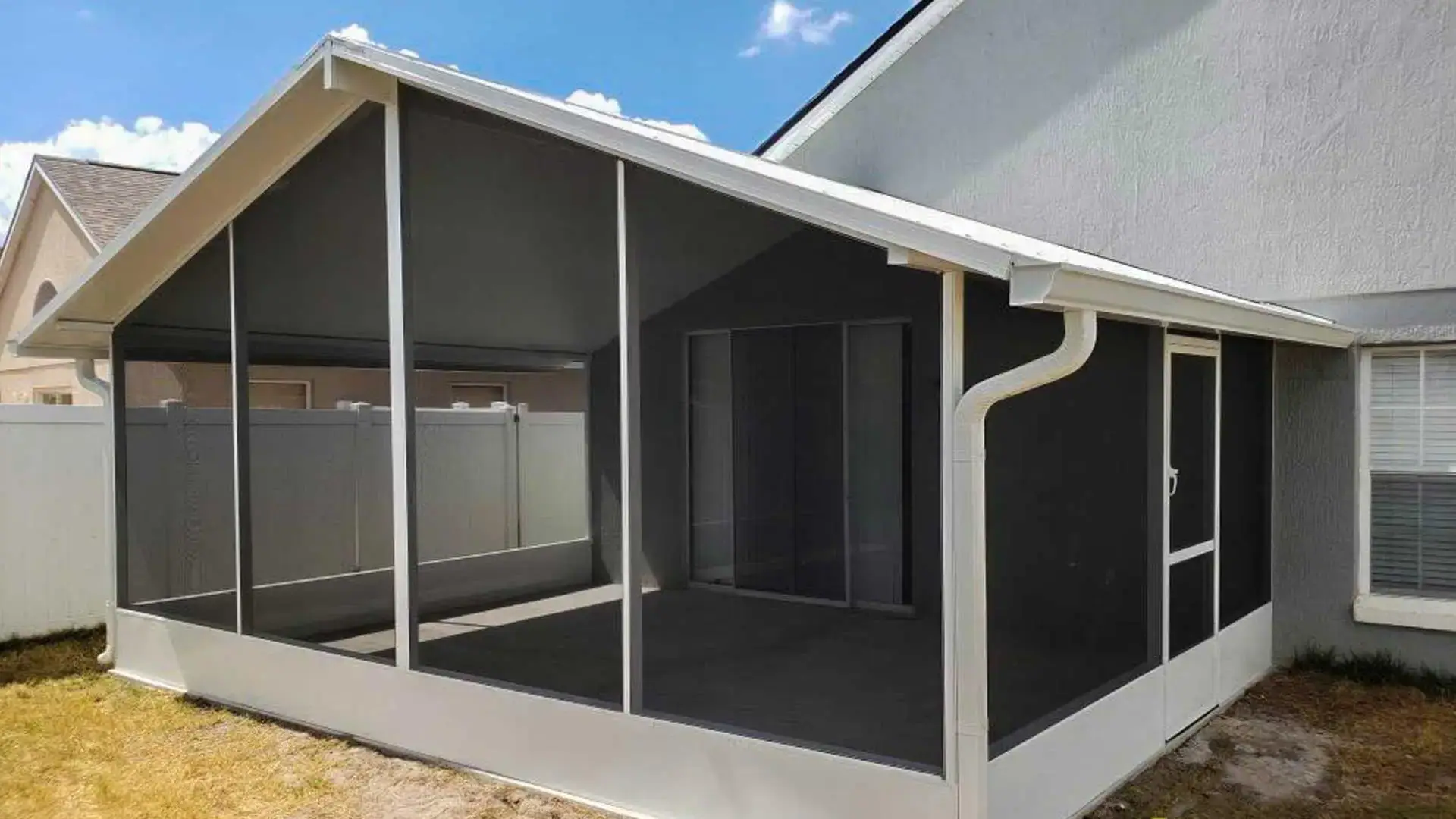
The Florida Building Code has placed sunrooms into five categories numbered one through five. Category I is the simplest sunroom. It is defined as a roof or covering of an outdoor area. Essentially, a Category I is just a room with screen walls and a roof. This type of sunroom is your most affordable option.
The Florida Building Code defines sunrooms in Categories I-III as “unconditioned and non-habitable.”
2. Category II sunrooms have enclosed walls.
Category II sunrooms have a roof and enclosed walls. The openings can be enclosed with transparent or translucent glass or plastic.
Typically, you’ll see Category II sunrooms constructed with acrylic windows. These tend to do a great job of keeping water out during the rainy season.
3. Category III sunrooms meet air-leakage resistance and other requirements.
Category III sunrooms are similar in design to those in Category II. However, they offer several benefits to consider. These sunrooms meet the following requirements:
- Air-leakage resistance
- Water-penetration resistance
- Forced-entry resistance
Category III sunrooms are made with glass with shutters or impact glass. Typically, residents opt for impact glass because it’s more economical.
4. Category IV sunrooms are habitable.
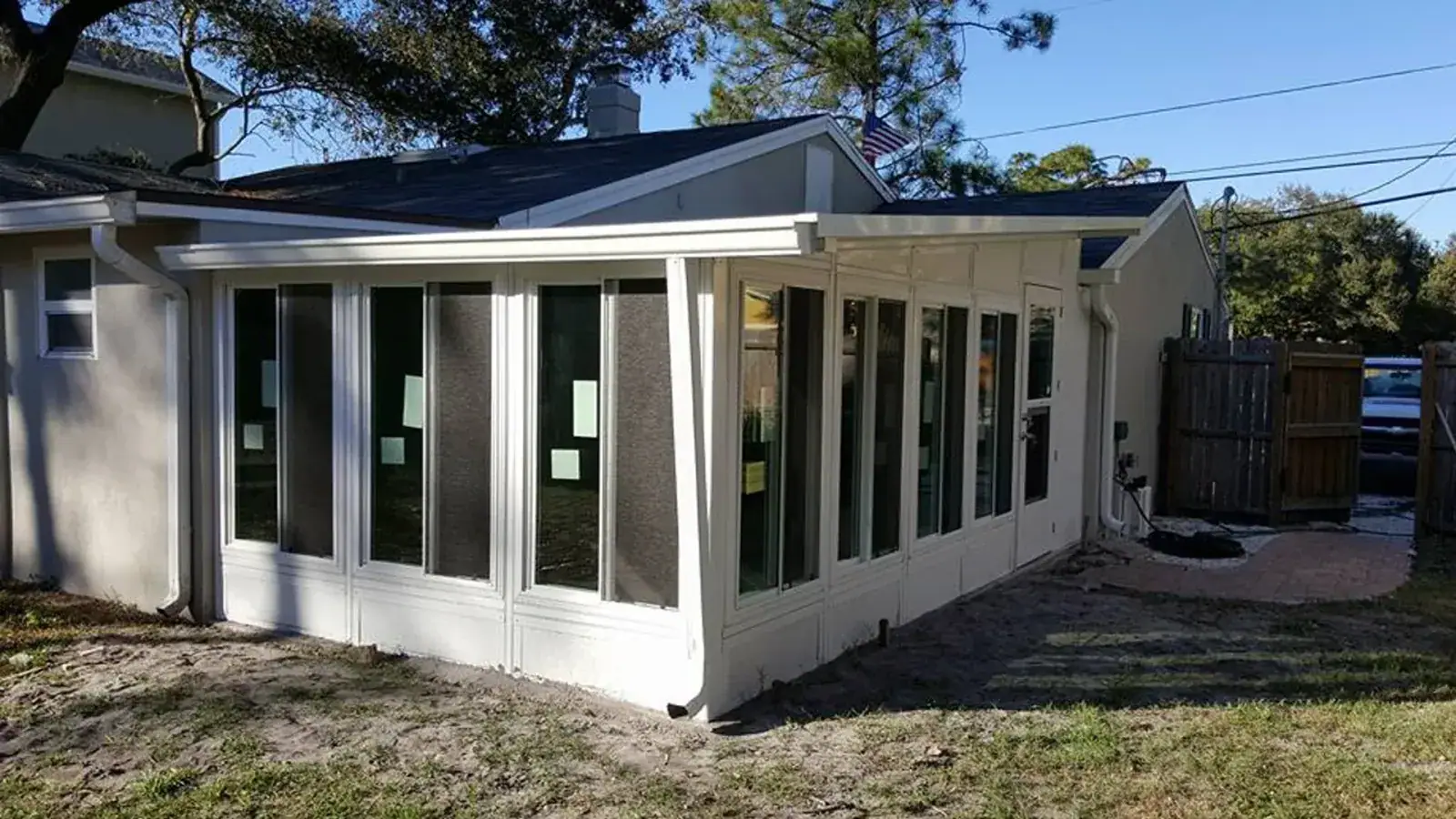
A Category IV sunroom is considered habitable, so you’ll be able to add square footage value to your overall home.
If you plan on spending hours at a time in your addition, a Category IV sunroom may be the way to go. It has its own temperature control system so you can stay cool on hot summer days.
5. Category V sunrooms utilize your home’s central AC system.
Category V sunrooms are built to use the same AC system that the rest of your home does. These sunrooms also offer enhanced thermal performance compared to those in the previous categories.
Are you interested in adding a sunroom to your Florida home? Call us today.
Now that you are aware of the five different categories of sunrooms, you may have a better idea of the exact addition you would like to add to your home and understanding these five categories will help you narrow down your options.
Our team is happy to help you reach a final decision. Call us today at (863) 804-6021 for a custom sunroom for your property in Wesley Chapel, Plant City, Lakeland, or a nearby area. Our team works with you to design a sunroom that you’ll love and use for years to come.