
Understanding the Differences: Sunroom vs. Lanai vs. Pool Cage
When considering outdoor living enhancements in Florida, homeowners often choose between sunrooms, lanais, and pool cages. Each offers unique benefits tailored to different lifestyles and needs.
Looking to build a Sunroom, Lanai or Pool Cage? Call (863) 804-6021
What Floridians Actually Call These Structures
Half the confusion here is vocabulary, not construction. The same structure gets three names depending on who is talking.
- Lanai. Hawaiian word for a covered, open-sided porch. It came into Florida real estate listings decades ago and stuck, which is why a builder in Lakeland will call a covered back porch a lanai and a builder in Ohio will call the identical thing a porch.
- Florida room. The older name for an enclosed room built onto the back of the house with lots of glass. Today most people say sunroom and mean the same thing.
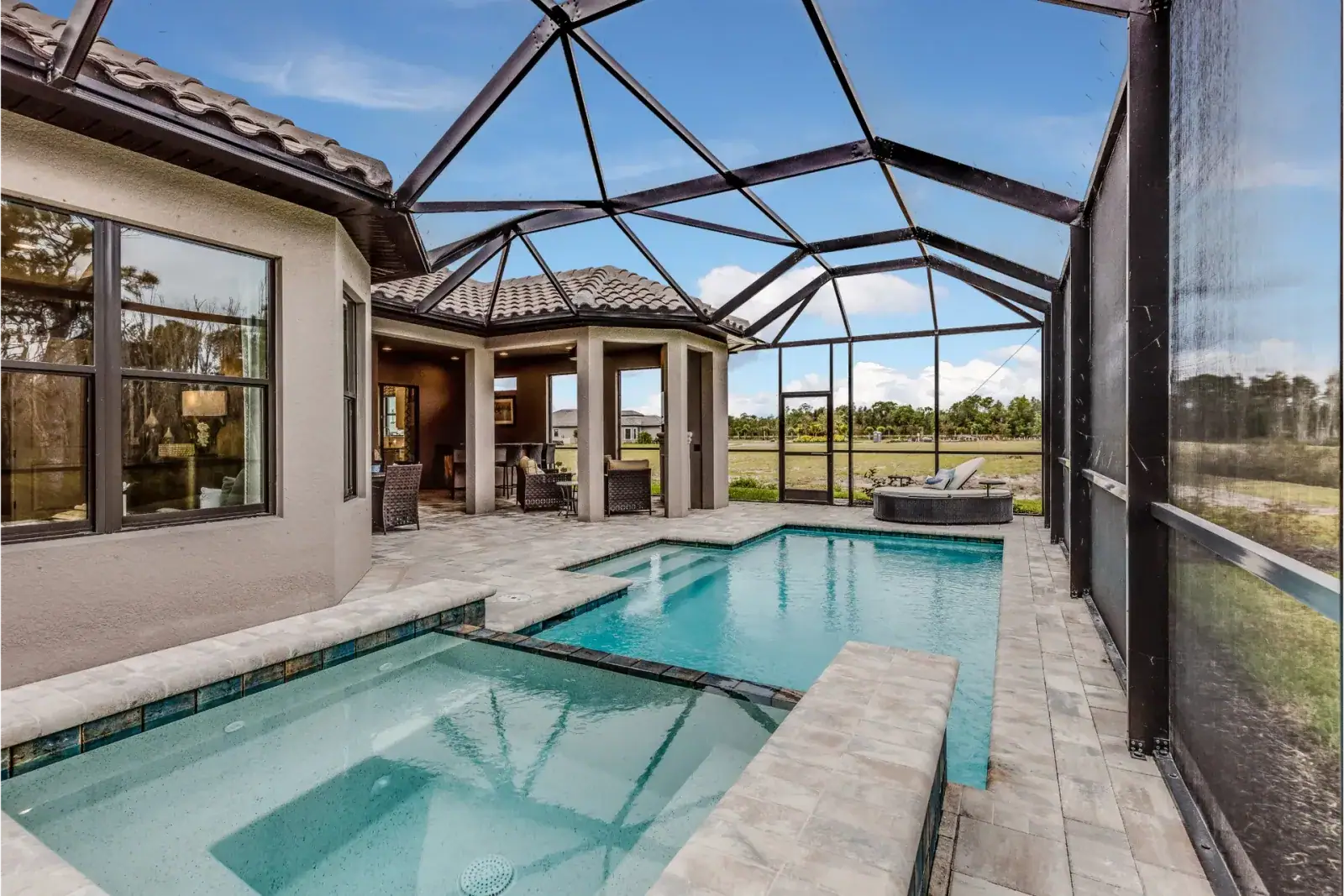
- Birdcage. What almost everybody around Polk County calls a pool cage. If your neighbor says the birdcage needs rescreening, they mean the tall screen enclosure over the pool. It is the same structure, just the local word for it.
- Screen room. A screened enclosure that is not over a pool. Usually attached to the house over an existing slab.
- Pool cage. The trade term, and what shows up on your permit and your engineering drawings.
So when somebody asks what pool enclosures are called in Florida, the honest answer is that homeowners say birdcage, contractors say pool cage, and the building department says screen enclosure. All three are the same aluminum frame and screen structure. If you want that build, start on pool enclosure Florida. If you searched Florida room or sunroom contractor, that glass job is on the sunroom page.
Florida Sunroom
Definition: A sunroom, also known as a Florida room, is a fully enclosed space with glass windows or walls, providing a climate-controlled environment that allows for year-round enjoyment.
Benefits:
- Protection from insects and weather elements
- Adds usable square footage to your home
- Ideal for relaxation, entertaining, or as a home office
A glass sunroom or an enclosed lanai can still cook in August without its own cooling zone. That job is mini split installation in Tampa, not the aluminum frame.
Lanai
Definition: Originating from Hawaiian architecture, a lanai is a covered outdoor area, often screened, that extends the living space of a home, allowing for an open-air experience while offering some protection from the elements.
Benefits:
- Provides a seamless indoor-outdoor living experience
- Offers shade and protection from sun and rain
- Enhances the aesthetic appeal of your home
The Cons of a Lanai
Nobody selling you one leads with this part, so here it is.
- It is not air conditioned. A lanai runs on ceiling fans and whatever breeze you get. In August at 2pm it is shade, not comfort. A sunroom is the version that ties into conditioned space.
- Pollen, rain, and lizards still get in. Screen stops bugs and leaves. It does not stop fine yellow pollen in the spring or blowing rain in a summer storm, so outdoor-rated furniture is the right call.
- Screens are a wear item. Sun is what kills them, and the south and west panels usually go first. Budget for rescreening every several years rather than treating it as a one-time build.
- It usually does not count as square footage. Because it is unconditioned, an appraiser will not add it to your heated living area the way a finished sunroom can be added.
- It can darken the room behind it. A deep lanai with a solid roof shades the windows it covers. If the back of your house is already dim, talk about roof style before you sign anything.
None of that makes a lanai a bad buy. It is still the cheapest way into usable outdoor space when you already have a roof and a slab. It just is not an indoor room, and it should not be sold to you as one.
Pool Cage
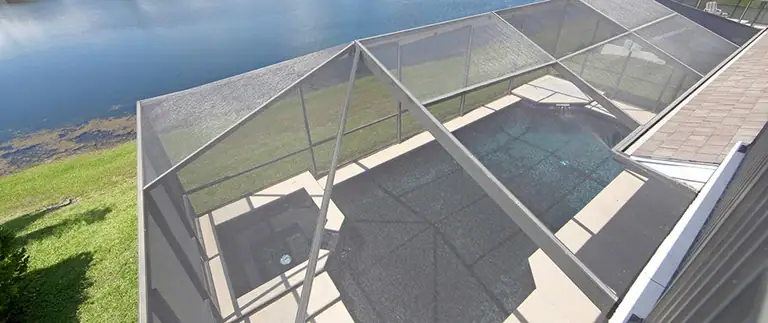
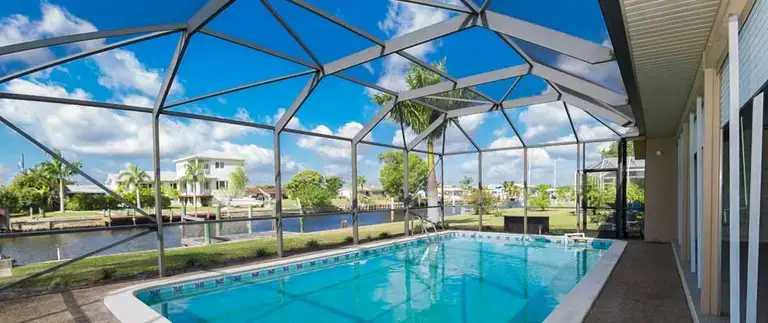
Definition: A pool cage is a screened enclosure that surrounds a pool area, offering protection from debris, insects, and excessive sun exposure, while maintaining an open-air feel.
Benefits:
- Keeps pool area clean and reduces maintenance
- Provides safety by restricting access
- Allows for extended use of the pool area
If you’re ready to build a beautiful, bug-free, and breezy outdoor space - don’t hesitate to give us a call. Your dream enclosure starts here. Call (863) 804-6021
What Each One Costs
The first question after “what is the difference” is almost always “what does it run.” Here is where the market sits in 2026. Read the fine print under the table before you use these numbers for anything.
| Structure | Typical cost | What that buys |
|---|---|---|
| Screening an existing covered patio into a lanai | $10 to $24 per sq ft, roughly $6,000 to $10,000 | Roof and slab already there, so you are paying for frame, screen, and doors |
| Building a new roofed lanai from scratch | $50 to $175 per sq ft | Footers, posts, slab, and roof, plus the screen work |
| Pool cage (birdcage), new build | $12 to $25 per sq ft, commonly $12,000 to $30,000 | Full-height engineered enclosure over the pool and deck |
| Pool cage rescreen | $1,200 to $4,500 for a full rescreen | New mesh on an existing frame, priced per panel on smaller jobs |
| Three-season sunroom | $80 to $230 per sq ft, roughly $8,000 to $50,000 | Enclosed glass room, no HVAC tie-in |
| Four-season sunroom | $200 to $400 per sq ft, roughly $20,000 to $80,000 | Insulated, conditioned, counts as living space |
Sources and caveats, because these numbers get quoted badly all over the internet:
- The pool cage and lanai per-square-foot figures are Florida contractor pricing (Screen Factory Florida, Rainforest Pools, Dulando Screen & Awning in Orlando). National cost sites publish a much lower $5 to $15 per square foot for pool enclosures. That number does not reflect what an engineered cage costs in Florida, and one of those pages carries a 2023 date behind a 2026 title.
- The sunroom and new-build lanai ranges are national data from HomeGuide and Angi, not Florida-specific. Angi’s floor for a full sunroom addition is higher ($22,000 and up) because Angi is describing site-built rooms while HomeGuide includes prefab kits and lanai conversions.
- Inland Polk County usually prices below the Gulf coast on the same size cage, because a lower design wind speed at your address allows lighter aluminum and shallower footers.
These are general market ranges, not True Aluminum prices and not a quote. Roof style, footprint, screen type, door count, and what your permit office asks for all move the number. Call (863) 804-6021 and we will come measure and give you a real one.
Frequently Asked Questions
Which option adds the most value to my home?
A sunroom typically adds the most value due to its fully enclosed, climate-controlled nature, effectively increasing the livable square footage of your home.
Are permits required for these additions?
Yes, most home additions, including sunrooms, lanais, and pool cages, require permits. It’s essential to consult with local authorities or a professional contractor to ensure compliance.
Can I customize the design of these structures?
Absolutely! Each structure can be tailored to match your home’s architecture and your personal preferences, including materials, colors, and additional features.
How do maintenance requirements compare?
Sunrooms require minimal maintenance, primarily cleaning windows and ensuring seals are intact. Lanais and pool cages may require regular screen cleaning and inspections for any damage.
What is the typical lifespan of these structures?
With proper maintenance, sunrooms can last several decades. Lanais and pool cages, depending on materials and environmental factors, can last 10-20 years or more.
Materials Used in Each Structure
- Sunrooms: Glass windows, aluminum framing, insulation, optional AC
- Lanais: Aluminum framing, screen mesh, concrete or paver floors
- Pool Cages: Fine mesh screen, aluminum, anchoring systems for wind resistance
Customization Options
- Colors & Framing: Match your home’s exterior
- Screen Types: UV-blocking, privacy mesh, pet screen
- Roof Designs: Gabled, flat, or mansard
- Upgrades: Built-in lighting, fans, sliding doors, decorative trim
- Second structure on the same slab: Many homeowners add a carport or extend the frame in the same trip, which saves a second mobilization
Our pool cages are designed to withstand hurricane-force winds, which can be a concern in central Florida.
Drainage and the Roof Interface
Whichever structure you pick, water has to go somewhere. A screen roof sheds straight through, but the solid roof over a lanai or sunroom dumps runoff right where you walk. Aluminum gutters carry that water off the slab instead of letting it pond against the footers, and on a pool cage a structural super gutter ties the cage into the house roofline. Sort this out at design time, because retrofitting it later means pulling screen panels back off.
Why Homeowners Trust True Aluminum
- Licensed Aluminum Specialty Structures contractor, SCC131151391
- 5.0 stars across 200+ Google reviews from Central Florida homeowners
- A+ rated on the Better Business Bureau
- Built in Central Florida since 2009, with 100,000+ customers served across the True family of companies
“We are more than satisfied with True Aluminum. The office staff and all of the personnel are very professional and immediately respond to any questions or requests. The work performed on my lanai is beyond expectation. We recommend True Aluminum 100%.”
Nellie Marengo, Google review, May 2026
Owner’s Tip from Issac Turpin, CEO: Pick the structure by how you will use the space in August, not in February. Everybody loves the idea of a glass room until they price the cooling, and everybody underestimates how much time they will spend under a screen roof once the bugs are gone. Walk the yard with us and we will tell you which one we would build on our own house.
Related Services You May Need
- Anything outside the aluminum trade on your project? True Plumbers & AC is our sister company and handles that side.
- Thinking about replacing your roof before adding a lanai? True Roofers offers expert evaluations and storm-rated roofing options.
- Dreaming of a full backyard makeover? True Builders specializes in outdoor remodels that transform your space into a true retreat.
Areas We Serve
We proudly serve homeowners in:
Looking to upgrade your outdoor space? We’re just a call away.
Ready to Design Your Dream Outdoor Space?
Whether you’re dreaming of a sunroom, lanai, or pool cage, our team is here to bring it to life - built to Florida code and tailored to your style. Call (863) 804-6021 or request a quote online to get started.
Two things worth doing before you call, so the first conversation is a short one:
- Read up on what a permit involves in your city, since that drives the timeline more than the build does.
- Decide roughly how big the space needs to be. Footprint sets the engineering and most of the price.
Already have a structure and want it looked after? The True Home Membership covers ongoing care so small screen and fastener problems get caught before they turn into a rebuild.
